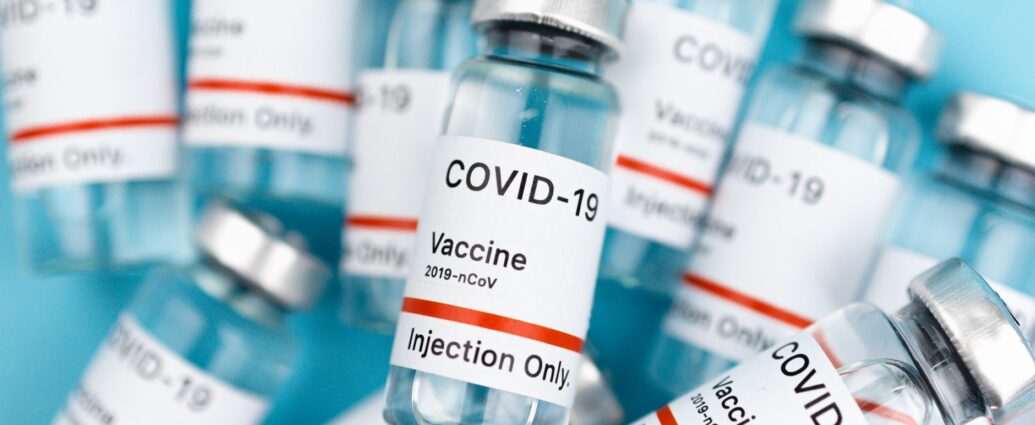
FDA approval breakthrough drug is making waves in the fight against pancreatic cancer. MD Anderson plays a crucial role in this groundbreaking achievement.
Understanding Pancreatic Cancer
Pancreatic cancer is one of the most challenging cancers to diagnose and treat. This aggressive disease often goes unnoticed in its early stages, leading to a high rate of mortality. According to the American Cancer Society, pancreatic cancer is the third leading cause of cancer-related deaths in the United States. Patients typically experience vague symptoms such as weight loss, abdominal pain, and jaundice, which can be mistaken for other conditions.
The pancreas plays a critical role in digestion and blood sugar regulation, making tumors in this organ particularly dangerous. There are two main types of pancreatic cancer: exocrine tumors, which account for the majority of cases, and endocrine tumors, which are much rarer. Treatment options have historically been limited, often involving surgery, chemotherapy, and radiation therapy.
However, recent advancements have led to significant breakthroughs in treatment. Notably, the FDA approval of a breakthrough drug offers new hope for patients battling pancreatic cancer. This innovative therapy targets specific genetic mutations, providing a more personalized approach to treatment. As research continues, the collaboration between institutions like MD Anderson and pharmaceutical companies plays a pivotal role in developing these life-saving therapies.
Overall, understanding pancreatic cancer is essential for early detection and effective treatment, paving the way for future innovations in the fight against this formidable disease.
The Role of MD Anderson in Research
MD Anderson Cancer Center has been at the forefront of cancer research, significantly contributing to the recent FDA approval of a breakthrough drug for pancreatic cancer. This world-renowned institution employs a collaborative approach, uniting various specialties to enhance treatment outcomes for patients facing this challenging disease.
Researchers at MD Anderson have conducted extensive clinical trials, which have been instrumental in demonstrating the efficacy of the new drug. Their rigorous methodologies and commitment to innovative treatment options have paved the way for a more hopeful future for patients diagnosed with pancreatic cancer.
Key factors that underscore MD Anderson’s pivotal role include:
- Extensive Clinical Trials: The center has facilitated numerous trials that not only evaluated the new drug’s effectiveness but also helped refine treatment protocols.
- Multidisciplinary Collaboration: Oncology experts from different fields collaborated to analyze data and improve patient care strategies.
- Patient-Centric Approach: MD Anderson emphasizes the importance of patient feedback, integrating their experiences into ongoing research efforts.
As the FDA approval breakthrough drug demonstrates promising results, MD Anderson continues to be a leader in cancer research, inspiring hope and progress in the fight against pancreatic cancer.
How the FDA Approval Process Works
The FDA approval process is a rigorous and multi-step journey designed to ensure that new drugs are safe and effective for public use. Before a drug can receive FDA approval, it must undergo several phases of clinical trials, which involve extensive testing on human subjects.
Initially, researchers conduct laboratory studies and animal testing to gather preliminary data on the drug’s efficacy and safety. Following this, the drug enters Phase 1 trials, where a small group of healthy volunteers is administered the drug to assess its safety and identify any side effects.
Once Phase 1 trials are successfully completed, the drug moves to Phase 2, where it is given to a larger group of participants who have the condition the drug aims to treat. This phase focuses on evaluating the drug’s effectiveness and further monitoring its safety.
If the results from Phase 2 are promising, the drug enters Phase 3 trials, involving hundreds or thousands of patients. This phase provides critical data on how the drug performs compared to existing treatments and helps confirm its overall safety profile.
After completing these trials, the pharmaceutical company submits a New Drug Application (NDA) to the FDA. If the agency finds the data convincing, it grants FDA approval, allowing the breakthrough drug to be marketed as a proven solution for cancer.
Impact of Breakthrough Drugs on Patients
The approval of breakthrough drugs by the FDA has a profound impact on patients battling serious illnesses, particularly those diagnosed with cancer. Patients often face a daunting prognosis, and traditional treatments may not provide the desired outcomes. However, with the advent of innovative therapies, hope is on the horizon.
Breakthrough drugs, like the one recently approved for pancreatic cancer, offer new avenues for treatment that were previously unavailable. These medications are specifically designed to target the unique characteristics of cancer cells, leading to improved efficacy and reduced side effects. As a result, many patients experience a significant enhancement in their quality of life.
Furthermore, the emotional and psychological benefits associated with these advancements cannot be understated. Patients who have access to new therapies often report feelings of optimism and relief, knowing that they are receiving cutting-edge treatments. This shift can lead to better adherence to treatment protocols and improved overall health outcomes.
- Improved Survival Rates: Breakthrough drugs can lead to longer survival rates for patients.
- Personalized Treatment: These drugs are tailored to the genetic makeup of individual tumors.
- Reduced Toxicity: Patients may experience fewer side effects compared to traditional therapies.
In conclusion, the FDA approval of breakthrough drugs represents a significant milestone in the fight against cancer, offering renewed hope to patients and their families.
Challenges in Cancer Drug Development
Developing new cancer drugs is often a daunting task, fraught with challenges that can delay the FDA approval process. One of the primary hurdles is the complexity of cancer itself. Each type of cancer, including pancreatic cancer, can exhibit unique genetic and biological characteristics, making it difficult to find a one-size-fits-all treatment. This complexity necessitates extensive research and development efforts.
Moreover, clinical trials, which are essential for FDA approval, can take years to complete. These trials must not only demonstrate the drug’s efficacy but also its safety. The rigorous requirements can lead to high costs and lengthy timelines, which may discourage some pharmaceutical companies from pursuing innovative treatments.
Another significant challenge is patient recruitment for trials. Many patients are often hesitant to participate in clinical studies due to concerns about side effects or the belief that standard treatments may be more effective. This can limit the diversity of participant pools and skew results, ultimately impacting the FDA approval process.
Despite these hurdles, breakthroughs in cancer drug development, such as the recent FDA approval of a breakthrough drug for pancreatic cancer, highlight the potential for significant advancements in treatment. Collaboration between research institutions like MD Anderson and pharmaceutical companies is essential for overcoming these barriers and delivering effective therapies to patients in need.
Future of Pancreatic Cancer Treatments
The future of pancreatic cancer treatments is poised for significant advancement following the recent FDA approval of a breakthrough drug. As research continues to evolve, experts are optimistic about new therapies that can potentially transform patient outcomes. This drug, developed through rigorous clinical trials, has shown promise in improving survival rates and quality of life for those diagnosed with this aggressive cancer.
One of the main focuses in upcoming research is the personalization of treatment plans. Scientists are exploring ways to tailor therapies based on individual genetic profiles, which could lead to more effective and targeted interventions. Innovative approaches, such as immunotherapy and combination therapies, are also being investigated to enhance effectiveness.
Moreover, collaborations between institutions like MD Anderson and pharmaceutical companies are crucial in expediting the development of new drugs. These partnerships not only leverage cutting-edge technology but also foster a multidisciplinary approach to combating pancreatic cancer. As we look ahead, the integration of artificial intelligence and machine learning into drug discovery may further accelerate the identification of potential treatments.
In conclusion, the landscape of pancreatic cancer treatment is evolving rapidly. With the FDA approval of this breakthrough drug, there is renewed hope for patients and families affected by this disease. Ongoing research and innovation will be vital in overcoming the challenges that remain, ultimately leading to more effective solutions for those in need.
Patient Stories: Real-Life Impact
Patient stories illuminate the profound impact of the FDA approval breakthrough drug for pancreatic cancer. These narratives not only highlight the struggles faced by patients but also showcase the hope that new treatments can bring.
One remarkable story is that of Maria Gonzalez, a 57-year-old mother of two. After being diagnosed, she felt an overwhelming sense of despair. However, after participating in a clinical trial for the breakthrough drug, her tumors shrank significantly, and she now describes her life as “a second chance.” Maria’s experience underscores the importance of innovative therapies in transforming the outlook for patients with terminal diagnoses.
Another inspiring account comes from James Lee, a 62-year-old retired teacher. Initially skeptical about new treatments, he decided to explore the FDA approval breakthrough drug after hearing about its success at MD Anderson. “I was hesitant, but now I’m living proof that these drugs work,” he shared. His journey emphasizes the critical role that research institutions play in facilitating access to cutting-edge therapies.
These personal stories resonate deeply within the cancer community, reminding everyone that behind every statistic is a life transformed by hope and advanced medical science. As the FDA continues to recognize the significance of breakthrough drugs, the future holds promise for many more patients facing similar battles.
Research Collaborations and Innovations
In the quest for effective treatments against pancreatic cancer, research collaborations and innovations have played a pivotal role. Institutions like MD Anderson have partnered with pharmaceutical companies, academic researchers, and technology firms to accelerate the development of promising therapies. These collaborations enhance the pool of expertise and resources, fostering an environment ripe for innovation.
One notable initiative involves the integration of artificial intelligence in drug discovery. By utilizing advanced algorithms, researchers can identify potential drug candidates more efficiently, significantly shortening the timeline from concept to clinical trials. This innovative approach not only boosts the likelihood of finding effective treatments but also plays a critical role in obtaining FDA approval for breakthrough drugs.
Moreover, the sharing of data across institutions has led to collaborative trials, increasing the speed and scale at which treatments can be tested. As a result, the scientific community can draw upon a wealth of information, leading to more robust conclusions regarding a drug’s efficacy and safety.
As these partnerships continue to evolve, they hold the potential to revolutionize cancer treatment pathways. The FDA approval of breakthrough drugs, such as those emerging from these collaborations, signifies a hopeful future for patients battling pancreatic cancer. As researchers push the boundaries of traditional methodologies, the landscape of cancer treatment is set to transform dramatically.
The FDA approval breakthrough drug has shown promising results in clinical trials, offering new hope to patients battling cancer. As researchers continue to explore its potential, the FDA approval breakthrough drug could revolutionize treatment options in oncology.
Photo by Maksim Goncharenok on Pexels