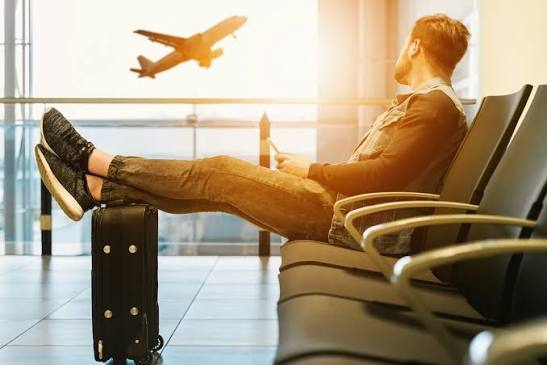
Travelling frequently can make it difficult to maintain a regular sleep schedule. Early flights, late-night arrivals, changing time zones, hotel rooms, and busy itineraries can all affect when and how well you rest. Even if you follow a consistent routine at home, travel can introduce unexpected changes that make it harder to fall asleep at your usual time.
A disrupted sleep schedule may leave you feeling tired, less attentive, or unprepared for the day’s activities. The solution is not to follow a strict routine regardless of your travel plans. Instead, develop a flexible approach that helps your body adjust to different environments while keeping a few familiar habits.
Whether you travel for work, holidays, or frequent weekend trips, small adjustments can make your sleeping routine easier to manage.
Why Frequent Travel Disrupts Your Sleep Schedule
Your body follows an internal timing system known as the circadian rhythm. It helps regulate sleep and wakefulness in response to environmental signals, particularly light and darkness.
Frequent travel can interfere with this natural rhythm in several ways.
- Changing time zones: Travelling across time zones can make your internal body clock temporarily differ from the local time.
- Irregular schedules: Early departures and late arrivals can change your usual bedtime.
- Unfamiliar surroundings: Different mattresses, room temperatures, lighting, and noises may affect sleep comfort.
- Long journeys: Extended flights, road trips, and train journeys can interrupt normal rest periods.
- Busy itineraries: Packed schedules may leave little time to unwind before bedtime.
Understanding these challenges makes it easier to plan a realistic sleep routine.
Build A Travel-Friendly Sleep Schedule
A consistent routine does not mean going to bed at exactly the same minute every night. It means maintaining a few predictable habits that help your body recognise when it is time to rest.
1. Keep Your Wake-Up Time Relatively Consistent
Your wake-up time can serve as an anchor when your daily schedule changes.
If possible, wake up at approximately the same local time during your stay. Avoid making large changes to your schedule unless your travel arrangements require them.
When travelling across time zones, gradually adjust your sleep and wake times before departure if you have enough notice.
2. Create A Short Bedtime Routine
A familiar bedtime routine can make an unfamiliar hotel room feel more comfortable.
Consider including simple activities such as:
- Taking a warm shower.
- Reading a few pages of a book.
- Preparing clothes and essentials for the next day.
- Listening to calming audio.
- Keeping your phone away before bedtime.
You do not need to follow a long routine. Even 15 to 30 minutes of quiet activities can help create a clear transition from the day’s activities to bedtime.
3. Avoid Overloading Your Evening Schedule
Travellers often try to fit sightseeing, meetings, meals, and entertainment into every available hour. However, an overly packed evening can leave little time to relax.
Whenever possible, finish demanding activities earlier and leave some time before bed. This is particularly useful when you have an early flight, important meeting, or long journey the following morning.
Prepare Your Sleep Essentials Before Leaving Home
<AsyncImageGroup query={[“minimal travel sleep essentials eye mask ear plugs travel pillow flat lay”,”organized travel suitcase comfortable sleepwear toiletries”,”cozy hotel bedroom warm bedside lamp curtains”]} aspectRatio=”5:4″ layout=”carousel”/>
Packing a few familiar items can make sleeping away from home more comfortable.
| Travel essential | How it can help |
| Eye mask | Blocks unwanted light |
| Earplugs | Reduces exposure to surrounding noise |
| Comfortable sleepwear | Helps maintain a familiar bedtime habit |
| Travel pillow | Provides additional support during journeys |
| Reusable water bottle | Makes it easier to stay hydrated |
| Familiar book | Offers a relaxing alternative to screen time |
Choose items that are lightweight and easy to carry. You do not need to pack an entire bedroom to create a comfortable sleeping environment.
Adjust Your Sleep Habits When Crossing Time Zones
Jet lag is a temporary sleep-related problem that can occur when your internal body clock does not match the local time at your destination.
For example, travelling east may require you to fall asleep earlier than your body expects, while travelling west may require you to stay awake later.
The following strategies may help:
Before departure: If practical, shift your bedtime gradually towards the destination’s time zone over a few days.
After arrival: Follow the local schedule for meals, activities, and bedtime rather than continuing to follow your home time zone throughout the trip.
Use natural light: Spend time outdoors during the appropriate daytime hours at your destination. Light exposure is an important signal for adjusting your body clock.
Avoid unnecessary long naps: If you arrive during the day, try to stay awake until a reasonable local bedtime. If you are extremely tired, a short nap may help without taking up much of the day.
Allow time to adjust: Your body may need several days to adapt, particularly after travelling across multiple time zones.
Manage Food, Caffeine, And Exercise During Travel
Your daytime habits can influence how easily you settle down at night. Travel often changes meal timings, activity levels, and caffeine consumption, so it helps to pay attention to these factors.
Be Mindful Of Caffeine
Coffee, tea, energy drinks, and some soft drinks contain caffeine. Having them late in the day may make it harder to fall asleep.
Consider limiting caffeine in the afternoon and evening, especially when you are adjusting to a new time zone.
Choose Comfortable Evening Meals
Heavy meals immediately before bedtime may cause discomfort for some people. Try to maintain reasonable meal timings and avoid going to bed feeling excessively full or hungry.
If you are travelling across time zones, gradually align your meals with the local schedule.
Include Physical Activity
Walking, sightseeing, swimming, or light exercise can help you stay active during travel.
However, intense workouts close to bedtime may feel stimulating for some people. Choose an activity schedule that allows enough time to relax afterwards.
Make Your Hotel Room More Sleep-Friendly
An unfamiliar room can make it difficult to follow your usual sleeping habits. A few simple adjustments can improve the environment.
<AsyncImage query=”peaceful minimalist hotel bedroom blackout curtains warm bedside lighting comfortable bed” aspectRatio=”16:9″ width=”100%”/>
- Control the lighting: Close curtains and switch off unnecessary lights. Use an eye mask if the room cannot be made sufficiently dark.
- Manage noise: Keep earplugs handy or use a quiet, consistent background sound if it helps you relax.
- Adjust the temperature: Choose a comfortable room temperature rather than relying entirely on the hotel’s default settings.
- Reduce screen exposure: Avoid spending long periods scrolling through your phone in bed.
- Keep essentials nearby: Place your water bottle, alarm, and travel items where you can reach them easily.
You can also recreate one familiar element from home, such as using the same bedtime music or reading routine.
What To Do When You Cannot Sleep During A Journey
Long-distance flights, overnight trains, and road journeys can make regular sleep difficult. Rather than expecting perfect rest, focus on making the journey as comfortable as possible.
Here are a few practical suggestions:
- Choose comfortable clothing that does not restrict movement.
- Use a neck pillow or suitable head support when travelling.
- Avoid excessive caffeine before an overnight journey.
- Keep your eye mask and earplugs accessible.
- Try to rest during periods when the environment is quiet.
- Avoid relying on alcohol or unprescribed sleep medication to fall asleep.
If you cannot sleep, stay relaxed and give yourself an opportunity to rest. Do not put unnecessary pressure on yourself to fall asleep immediately.
Develop Habits That Support Better Sleep Over Time
Frequent travellers benefit from routines that are simple enough to repeat in different locations.
For example, you could follow this basic evening schedule:
| Time before bedtime | Activity |
| 2 hours | Finish demanding work and avoid heavy meals |
| 1 hour | Reduce screen use and prepare for the next day |
| 30 minutes | Take a shower or read something relaxing |
| 15 minutes | Dim the lights and settle into bed |
| Bedtime | Keep your room comfortable and allow yourself to rest |
Treat this as a flexible example rather than a strict timetable. Adjust it according to your flight timings, destination, and daily commitments.
Maintaining a regular Sleep schedule becomes easier when you repeat familiar habits, even if your surroundings change. Over time, these small routines can make it easier to prepare for rest after a busy travel day.
When To Seek Help For Ongoing Sleep Problems
Occasional sleep disruption is common during travel. However, persistent difficulty sleeping should not automatically be attributed to a busy schedule or changing time zones.
Consider speaking with a healthcare professional if you regularly experience:
- Difficulty falling asleep or staying asleep.
- Excessive daytime sleepiness.
- Frequent waking that affects your daily activities.
- Persistent fatigue even after spending enough time in bed.
- Sleep problems that continue after returning home.
A healthcare professional can help identify possible causes and suggest suitable approaches.
Conclusion
Maintaining a regular sleep routine during frequent travel requires flexibility, preparation, and realistic expectations. You may not be able to control flight schedules, hotel environments, or time-zone changes, but you can maintain habits that support comfortable rest.
Prepare a few familiar sleep essentials, manage caffeine and evening activities, use natural light appropriately, and create a short bedtime routine wherever you stay.
The goal is to build a routine that travels with you. Prioritising Sound Sleep can make your journeys more comfortable and help you feel better prepared for the activities ahead.
FAQs
1. How can I maintain a sleep schedule while travelling frequently?
Try to maintain a relatively consistent wake-up time, follow a short bedtime routine, and adjust your schedule according to the destination’s local time.
2. How do I sleep better in an unfamiliar hotel room?
Keep the room dark, quiet, and comfortably cool. Familiar items such as an eye mask, earplugs, or a book may also help.
3. How can I reduce jet lag during international travel?
Gradually adjust your sleep schedule before departure when possible, follow local timings after arrival, and use appropriately timed natural light exposure.
4. Is it okay to nap after a long flight?
A short nap may help if you are very tired. However, long or late-day naps can make it harder to fall asleep at your destination’s bedtime.
5. Should I use sleeping pills when travelling?
Do not start using sleeping pills or other sleep medication without medical advice. A healthcare professional can help determine whether medication is appropriate and discuss potential risks.